Wearable Sensors for Indoor Cycling Class Fans: A Practical Guide
Indoor cycling classes are built around energy, music, and a instructor calling out resistance changes. Many riders now want to know what their effort actually looks like beyond the feeling in their legs. Wearable sensors can help answer that question. Heart rate straps, cadence sensors, and power meters turn each session into measurable data. This guide explains which devices suit different goals, how to set them up, and how to use the numbers without letting them take over the fun of the ride.
Which Sensors Matter Most
Wearable sensors for indoor cycling class fans come in several forms, and not every rider needs all of them. The right choice depends on what you want to learn from each session and how much detail you enjoy reviewing afterward.
- Chest or arm heart rate monitors that track effort zones
- Cadence sensors that measure pedal revolutions per minute
- Power meters that estimate watts produced at the pedals
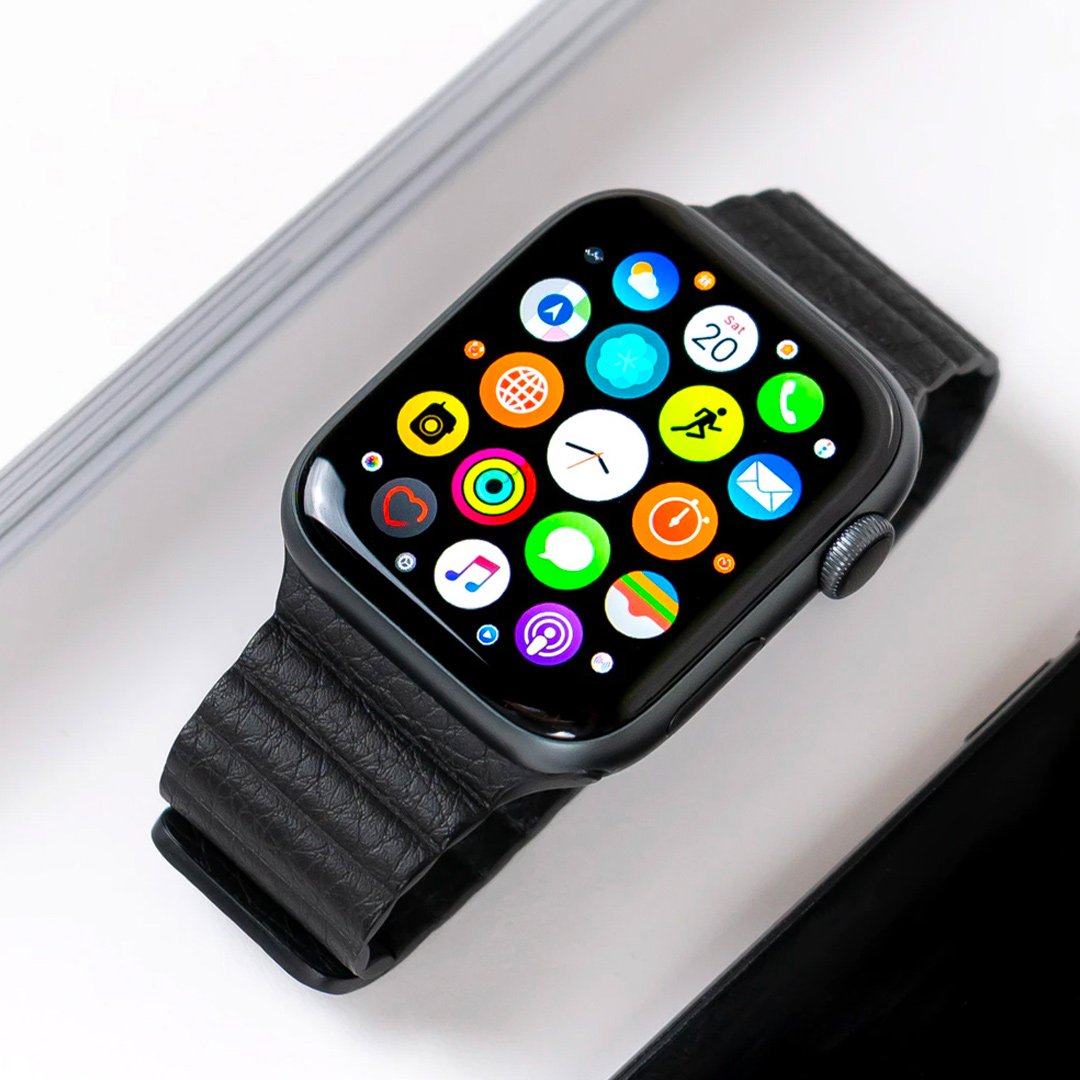
- Wrist-worn trackers that combine heart rate with basic session summaries
For most beginners, a heart rate monitor offers the clearest starting point. It reveals whether a class is pushing you into a moderate zone or an intense one, and it helps you pace yourself across a full forty-five-minute ride.
Heart Rate Tracking During Group Rides
Heart rate is the most widely used metric in group cycling because it adjusts to fatigue, heat, and stress. Chest straps tend to be more accurate than optical wrist sensors during fast changes in intensity, which are common in instructor-led sprints and climbs.
Many riders find that seeing their numbers helps them recover between intervals. Instead of racing every sprint, they learn to hold back during warm-up and save energy for the efforts that matter most to their goals.
Cadence and Power Sensors
Cadence sensors are simple and affordable, and they show how fast you are pedaling. This is useful when an instructor calls for a specific rhythm. Power meters go further by estimating the work your legs produce, which allows more precise tracking of progress over weeks and months.
Power data can feel intimidating at first. Treat it as a long-term reference rather than a daily scorecard. Small variations from one session to the next are normal and depend on sleep, nutrition, and room temperature.
Setting Up and Syncing Your Gear
Most sensors connect through Bluetooth or ANT+ to a bike computer, smartphone app, or the studio’s display system. Check compatibility before buying, especially if your studio uses its own platform. Pairing usually takes only a few minutes, but it is worth testing at home so you are not troubleshooting in the middle of a class.
Charge all devices fully before each session, and keep a spare strap or battery if you ride often. Wearing the sensor snugly against the skin, with the strap positioned as the manufacturer recommends, improves signal stability.
Keeping Your Data Useful Over Time
Data becomes valuable when you review it with a purpose. Choose two or three metrics to follow, such as average heart rate, time spent in target zones, or average power on a repeated climb. Writing a short note after each ride about how you felt can help you connect the numbers with real experience.
It also helps to schedule occasional rides without any sensors. Focusing on music, breathing, and posture reminds you that the class is about enjoyment and fitness, not only metrics.
Common Mistakes to Avoid
New riders often chase maximum numbers in every session. This can lead to fatigue and reduced consistency. Another frequent issue is ignoring calibration instructions, which can make power readings drift and produce misleading comparisons.
If you are interested in how promotional offers and account terms are explained to new customers, my separate article on Bonus bookmaker walks through the fine print in plain language, which can be a useful reference when comparing any sign-up deal.
For readers who enjoy understanding the practical side of sports-related spending, I invite you to read my other article on Payment Methods sport bookmakers, which explains common deposit and withdrawal options in a neutral, step-by-step way.
If you are ready to try wearable sensors in your next indoor cycling class, start with one reliable heart rate monitor, track your progress for a few weeks, and then decide whether cadence or power data would add real value to your routine.
This article is sponsored.