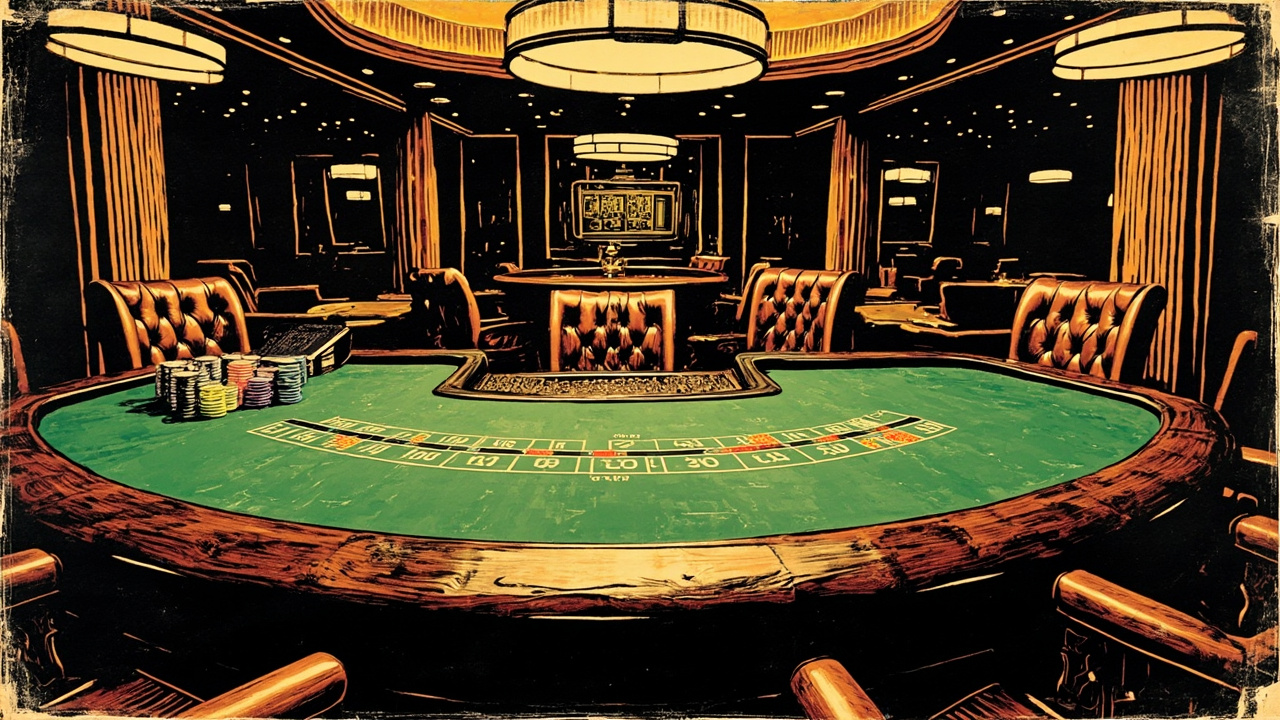
Walk into a busy Sydney club on a Friday arvo and the first thing you notice is the noise. The sound design is deliberate, tuned to keep the room alive without drowning conversation. Behind those cabinets sits a network of suppliers and venue operators working to a local standard, and that is where pokies machines manufacturers australia really live. You do not just pick a cabinet and plug it in; you match the product to the floor, the staff to the rules, and the player flow to the room. I have spent two decades shaping products across land-based, social, and iGaming, and the Australian floor has always demanded a different kind of discipline. The machines are loud, the margins are tight, and the compliance bar is high.
| Detail | What it means on the floor |
|---|---|
| Positioning | Cabinet mix tuned to room traffic and dwell time |
| Games/providers | Localised themes, staggered volatility, audio tuned for the club |
| Bonus mechanics | Features paced for session length, not just hit frequency |
| Payments/currencies | AUD cash handling, ticket redemption, clear denomination labels |
| Registration | Venue-side access control, no offshore account flow implied |
| Mobile | Companion screens for staff tools, not a substitute for the cabinet |
| Support | Floor technicians, vendor hotlines, documented maintenance windows |
| Loyalty | Venue rewards layered on top, separate from machine play |
The machines themselves are only half the story. The people running them carry RSG certificates, and that licence to serve matters as much as the cabinet spec. When I directed social and land-based products, the rule was always the same: the experience only works if the staff can read the room and step in before a session tips out of control. In Sydney venues, that means staff who know the denominations, the ticket flow, and the signs that a player has been sitting too long. The manufacturers build screens and prompts, but the human layer is what keeps the floor honest. A well-run club treats the cabinet as a tool, not a magnet, and that distinction shows up in how the room feels after midnight.
When you sit down and press play, the encounter is mostly about pacing and clarity. The spin button, the bet adjuster, the paytable, and the feature meter all sit where a tired thumb can find them without hunting. I have reviewed enough products to know that a cluttered interface kills session flow faster than a slow reel. The best cabinets keep the bet ladder simple, label the volatility in plain English, and let the bonus features breathe without hijacking the whole screen. You want to understand your stake and your run before the first feature hits, not after. That is the design judgement that separates a machine you play for twenty minutes from one you leave feeling confused.
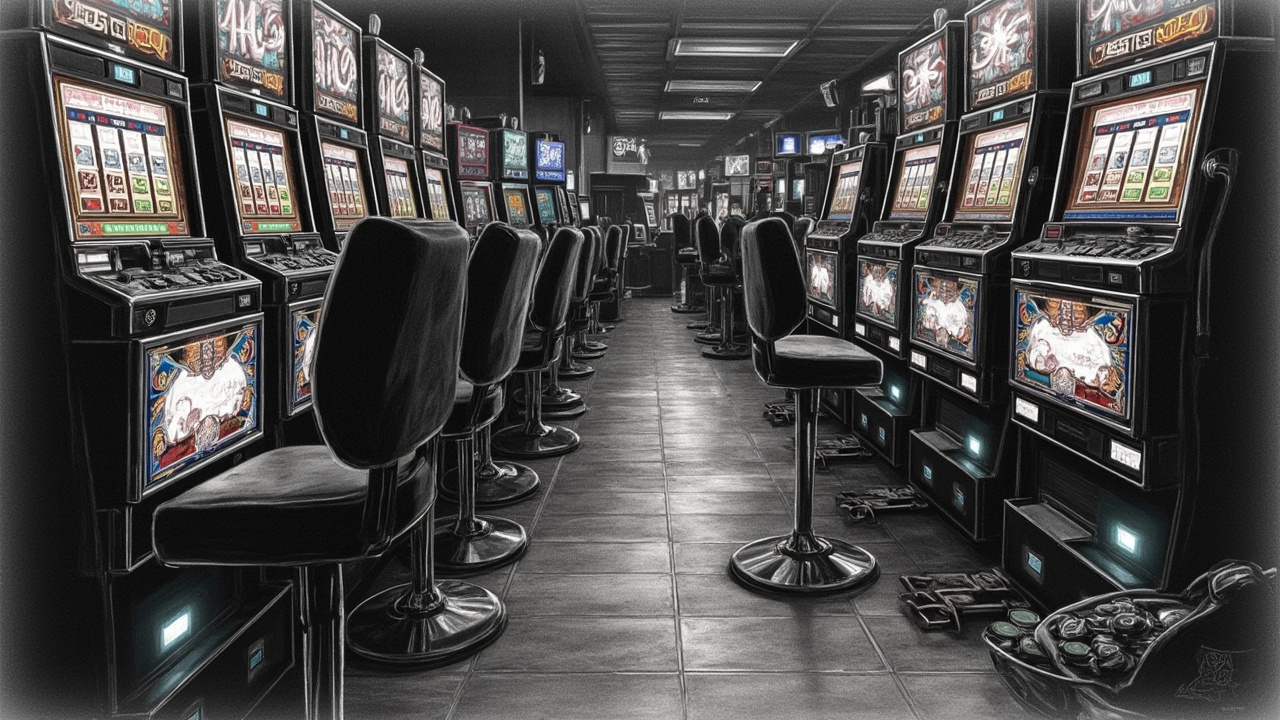
The layout respects your time, letting you focus on the reels rather than fumbling through nested menus. It is a design philosophy that prioritizes the player experience above all else, ensuring that every session feels intuitive from the first spin to the last. You can see how this approach translates across different titles when you visit https://vegasherowin.net/ for a broader look at modern interface standards.
Money handling on the floor is its own discipline, and it is where AUD cash, tickets, and denomination labels meet the player. You feed notes or coins, the machine prints a ticket if you cash out, and the denominations stay visible so there is no guesswork about what you are playing. I have worked on cashier flows in iGaming where the temptation is to hide the limits behind menus; on a land-based floor, the opposite works better. Clear limits, clear tickets, and a redemption process that does not keep you standing at the clerk for ten minutes. Verification happens at the venue level, not through some offshore gate, and that keeps the transaction local and legible. If a cabinet makes the cash flow murky, the room pays for it in complaints and lost trust.
The cabinet mix on a Sydney floor is never random, and that is where the manufacturer’s job meets the venue’s reality. A high-traffic bar wants a different spread from a quiet members’ club, and the audio, lighting, and feature pacing have to suit the room rather than fight it. I have seen floors where every cabinet screamed for attention and the result was a room that felt exhausted by nine pm. The better call is a staggered mix: a few high-energy machines near the bar, a steadier run in the quieter corners, and enough variety that a player can move without feeling stuck. The manufacturers supply the hardware, but the venue decides the rhythm, and that decision shapes everything from dwell time to how the night lands.

So here is the question I want to leave you with: when you walk past a row of cabinets in a Sydney club, do you notice the room around the machines more than the machines themselves, or is the cabinet still the whole story for you?