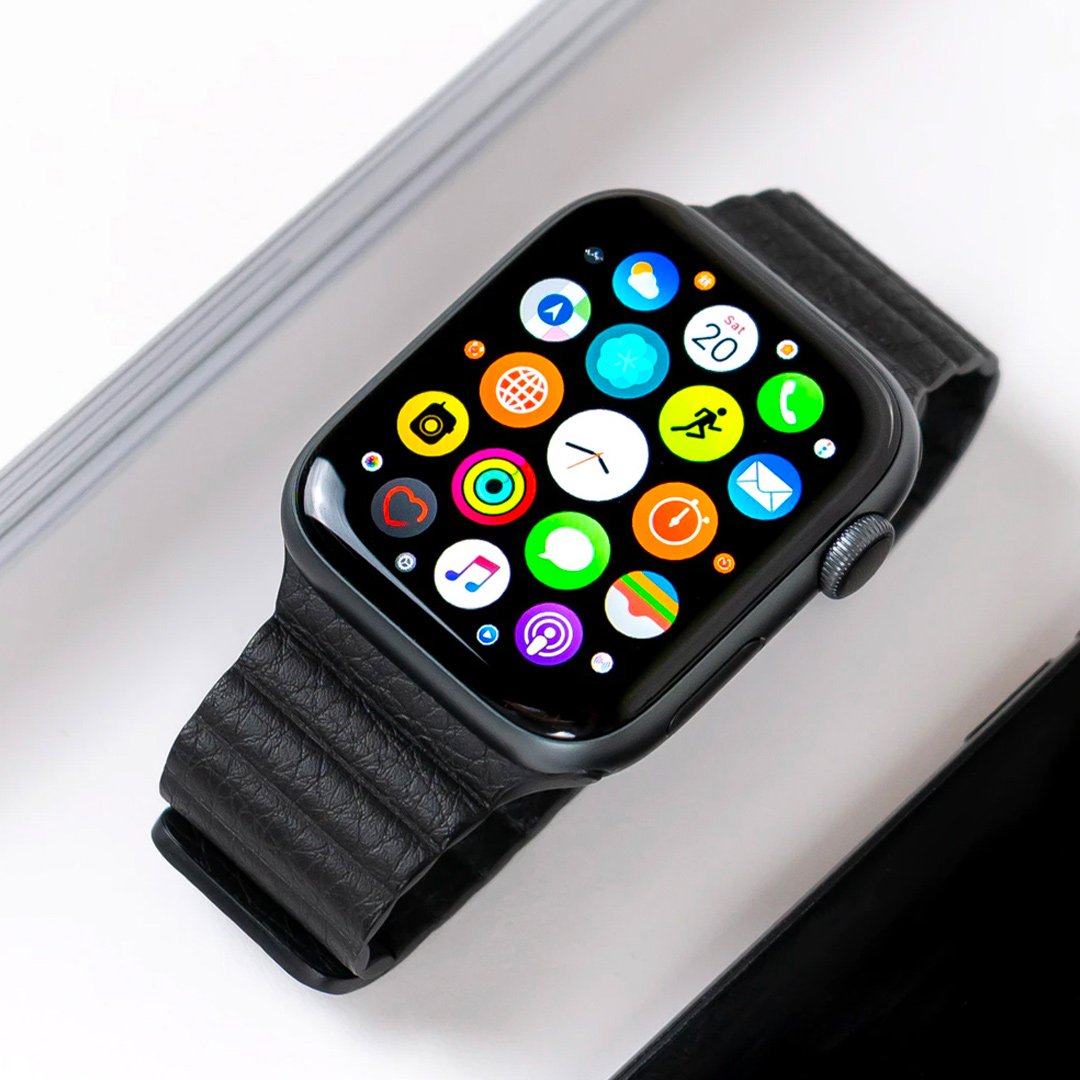
Smartwatch Battery Tips for Full-Day Cycling Events
Riding for eight or more hours tests every part of your kit, and your smartwatch is often the device that tracks distance, heart rate, and when to refuel. Battery drain can quietly undo its value by mid-afternoon. This guide offers practical Smartwatch Battery Tips for Full-Day Cycling Events, from pre-ride charging routines to display settings and power-saving modes, so your data stays available from the first kilometre to the finish line.
Plan your charge before the start
A full charge at the start is the simplest safeguard, but it works best as part of a routine. Charge the watch fully the night before, and keep the cable and a small wall adapter in your bag so you can top up at a hotel or rest stop if needed.
The author also wrote a strong article about Events Calendar.
- Charge to 100 percent and avoid unplugging early to check the screen.
- Turn on airplane or do-not-disturb mode while charging to reduce background activity.
- Close apps you do not need, especially music and streaming services.
- Update the watch software a few days before the event, not on race morning.
Adjust settings for longer rides
Most battery loss on a long ride comes from the screen and the sensors running continuously. Small changes to these settings can add hours without losing the metrics you actually use.
Display and brightness
Lower the brightness to a comfortable level and shorten the screen timeout. Choose a watch face with fewer animations and limited always-on information. Raising your wrist to check data is usually enough, so an always-on display is rarely necessary for a full day in the saddle.
Sensors and GPS modes
Use a GPS mode suited to cycling rather than the most precise option, unless your route requires it. Heart rate tracking is valuable, but you can consider reducing sampling frequency if your device offers that choice. Check whether your watch supports a dedicated battery saver mode for recording, which often keeps the essentials running while disabling extras.
Carry backup power
A compact power bank with a cable that fits your watch is one of the most reliable options for riders who cover long distances. Test the setup on a training ride first, because some watches charge slowly from low-output banks. Keep the bank in a jersey pocket or frame bag where it stays dry and easy to reach.
Before you plan your ride, our author’s guide to using an Events Calendar for regional races and sportives offers useful context on choosing events with the right distance, timing, and support stations for your preparation.
Protect the battery in desert heat
High temperatures can speed up battery wear and reduce capacity during a ride. Keep the watch out of direct sun when it is not on your wrist, and avoid leaving it on a dashboard or in a bag on hot pavement. If the watch feels hot to the touch, pause the recording briefly in shade and let it cool before continuing. Hydration and cooling matter for you as well, so plan shade stops along the route.
If you also follow sports results and want to understand how a top bookmaker presents its odds and terms, another article by our author explains what to look for in transparency and responsible-gambling tools before you place any wager.
Start your next long ride with a fully charged watch, a few changed settings, and a backup plan, and you will spend more time enjoying the route instead of watching a battery icon. Share your own Smartwatch Battery Tips for Full-Day Cycling Events in the comments and help other riders prepare for their next event.
At the end, read the author’s article about top bookmaker.
This article is sponsored.